
The Art of Impact: Inside Kentucky’s Women’s Wrestling Revolution
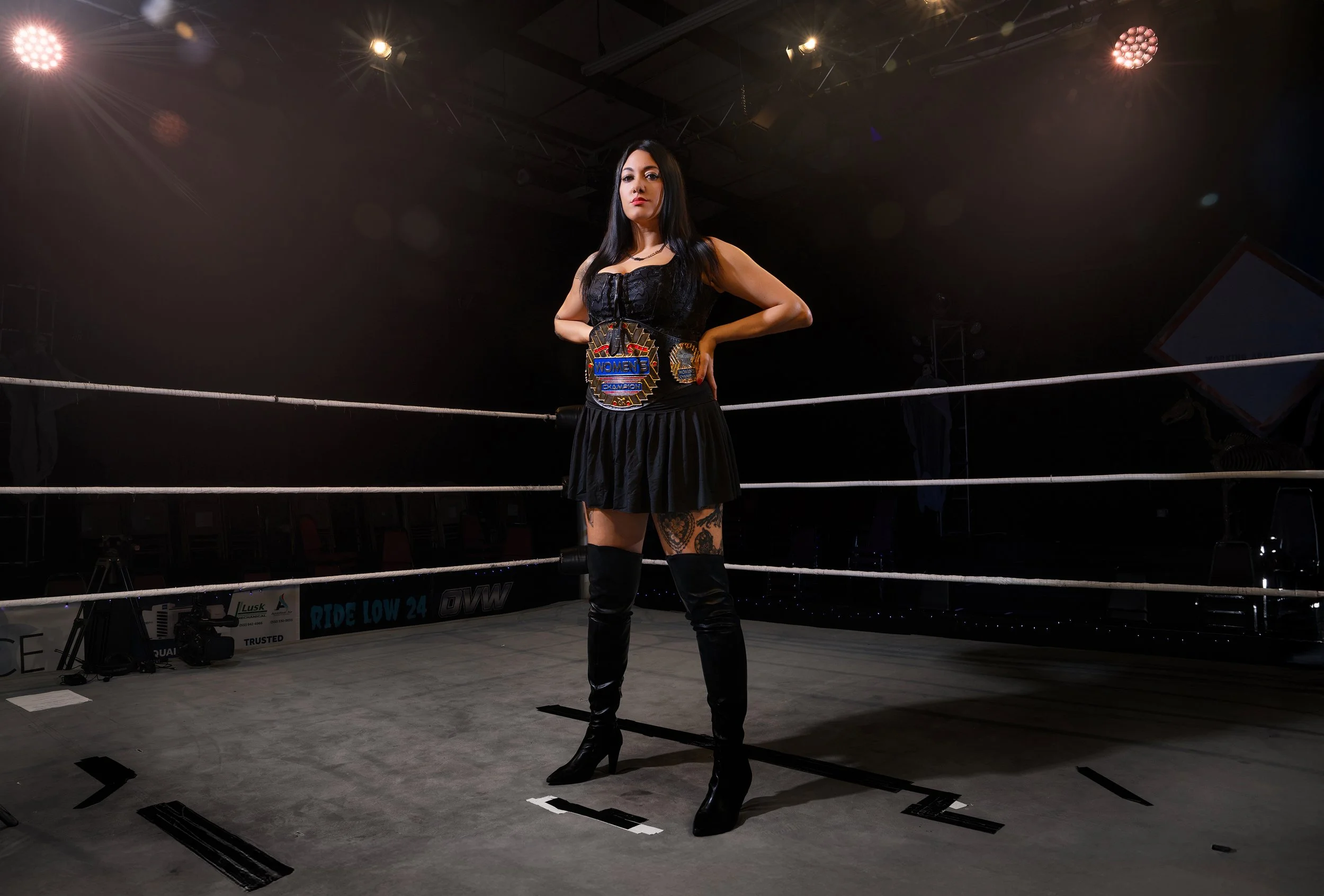
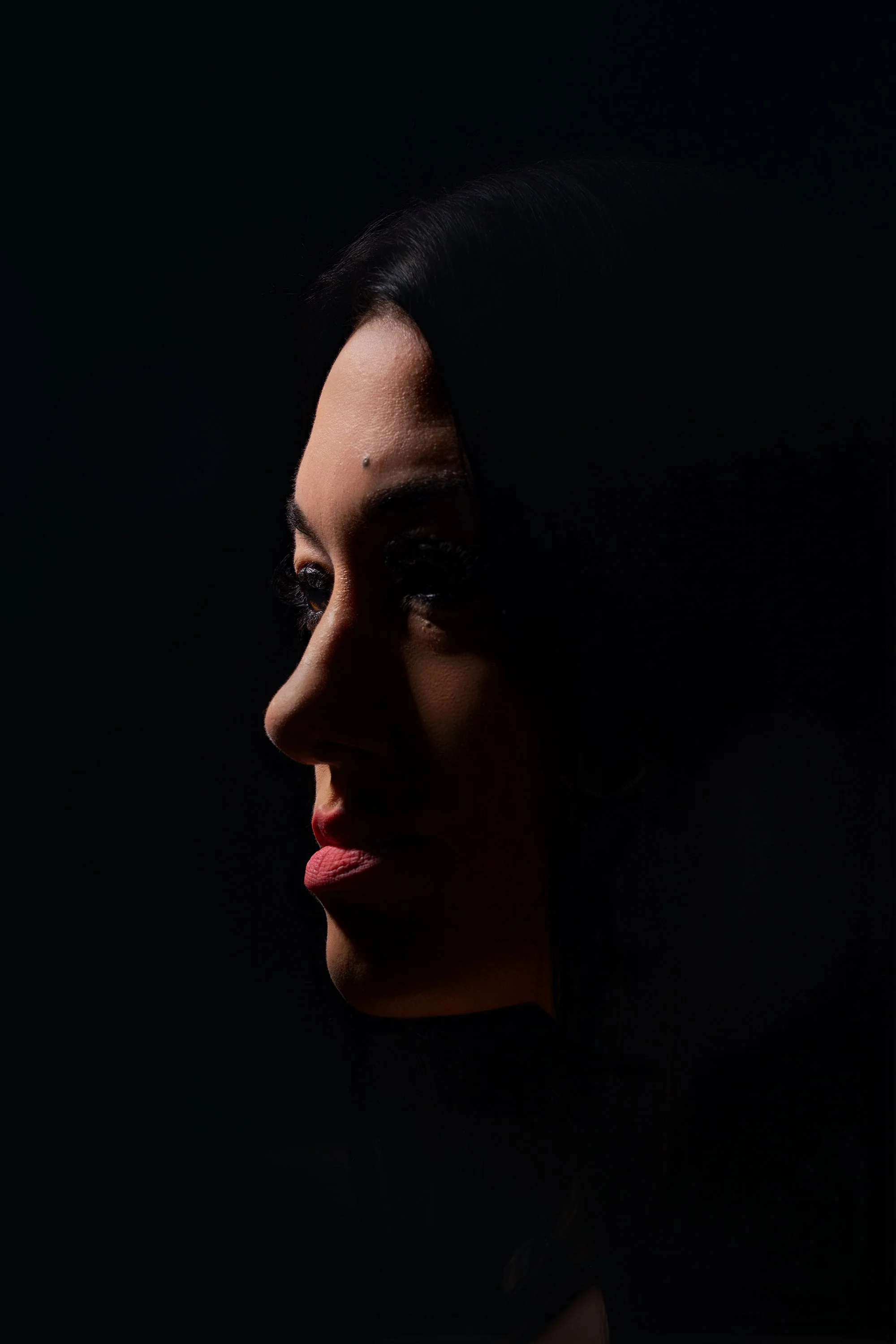
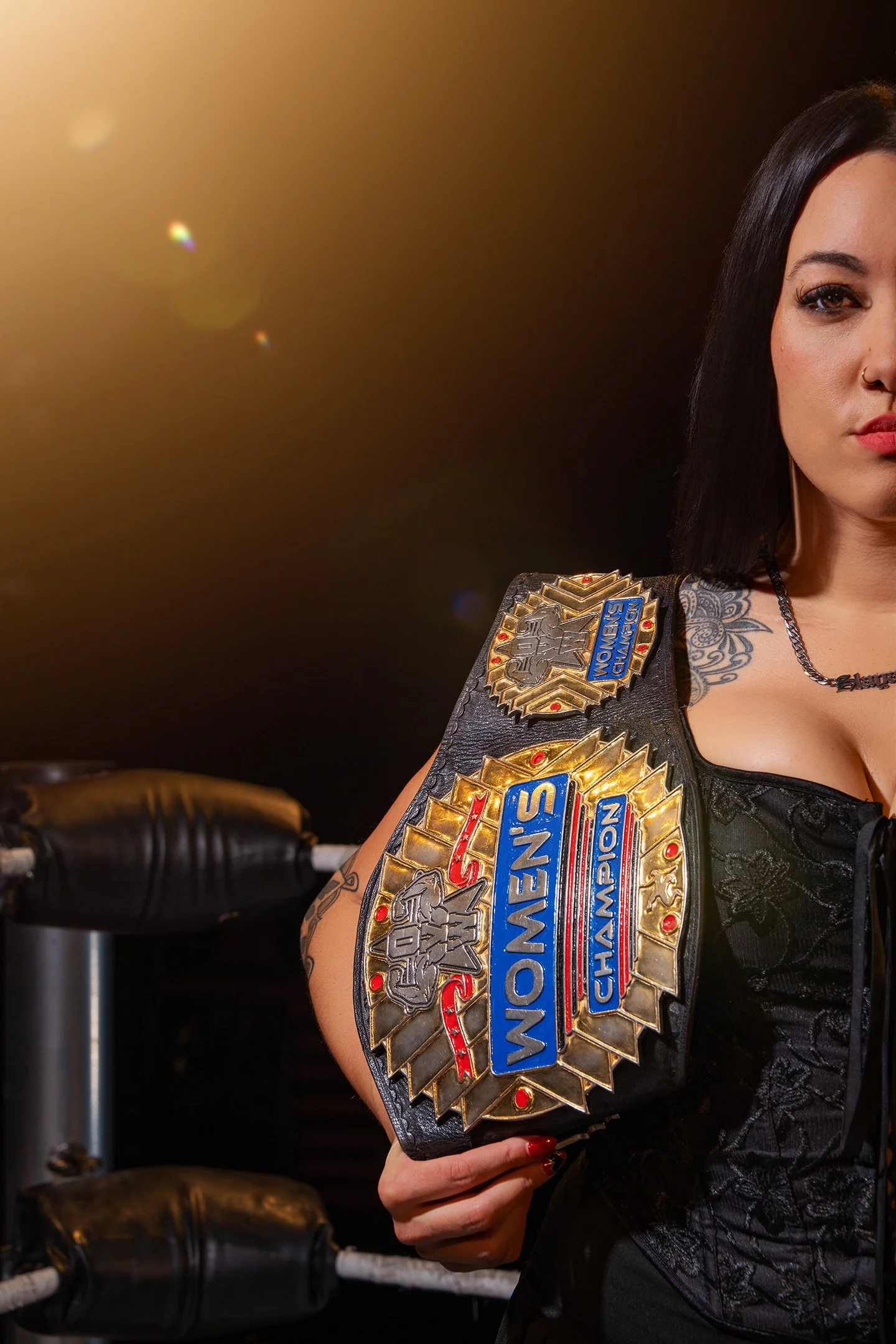
In June 2025, Kentucky to the World held the program “Spectacle of Excess: Wrestling as American Performance Art” featuring Al Snow, a WWE Superstar and owner of Ohio Valley Wrestling in Louisville, KY. In honor of Women’s History Month, KTW caught up with Freya the Slaya, a four-time OVW Women’s Championship winner and woman who’s changing the face of wrestling in Kentucky and beyond.
On a summer evening in Louisville, a wrestling ring stood in a space usually reserved for quiet contemplation. Beneath the clean lines of the Speed Art Museum, the ropes were pulled tight and the mat stretched flat. As wine glasses clinked and a crowd of gallery-goers took their seats, the atmosphere was one of polite curiosity.
Then the bell rang.
Within minutes, curiosity became awe. It wasn't just spectacle; it was a demonstration of a disciplined, embodied form of American performance art. Once again, the center of gravity for this global industry was firmly rooted in Kentucky.
OVW: KENTUCKY’S CULTURAL INFRASTRUCTURE
Louisville’s Ohio Valley Wrestling (OVW) is often labeled a “feeder” system for global giants like WWE. But to call it a mere pipeline is to miss its significance. OVW is cultural infrastructure - a forge where global entertainment is tempered through repetition and the heat of live audiences.
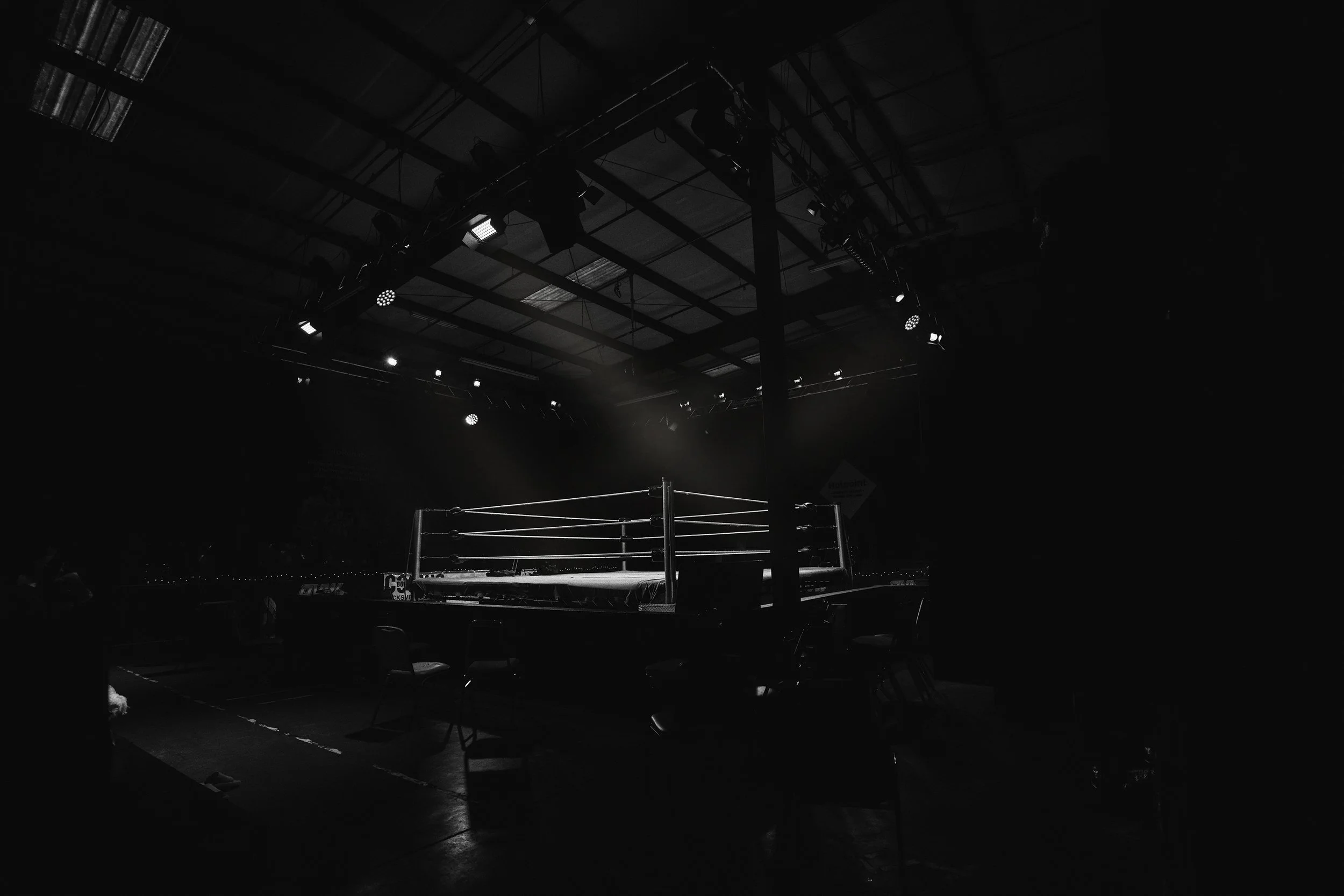
“OVW is such a great place for up and coming wrestlers to really hone their craft,” said Freya The Slaya, a dominant force on the organization’s roster since 2021, in an interview with Kentucky to the World. “It’s the only independent company that films live television weekly. The reps from wrestling for the same company every week, and the experience of wrestling with the pressure of strict TV time limits is something that’s almost impossible to learn anywhere else.”
For athletes like Freya, Kentucky isn't a waypoint; it’s the work. “It’s the reason I moved to Louisville, to work with Al Snow and OVW. I absolutely wouldn’t be in the position I am without OVW.”
THE DISCIPLINE OF PERFORMANCE
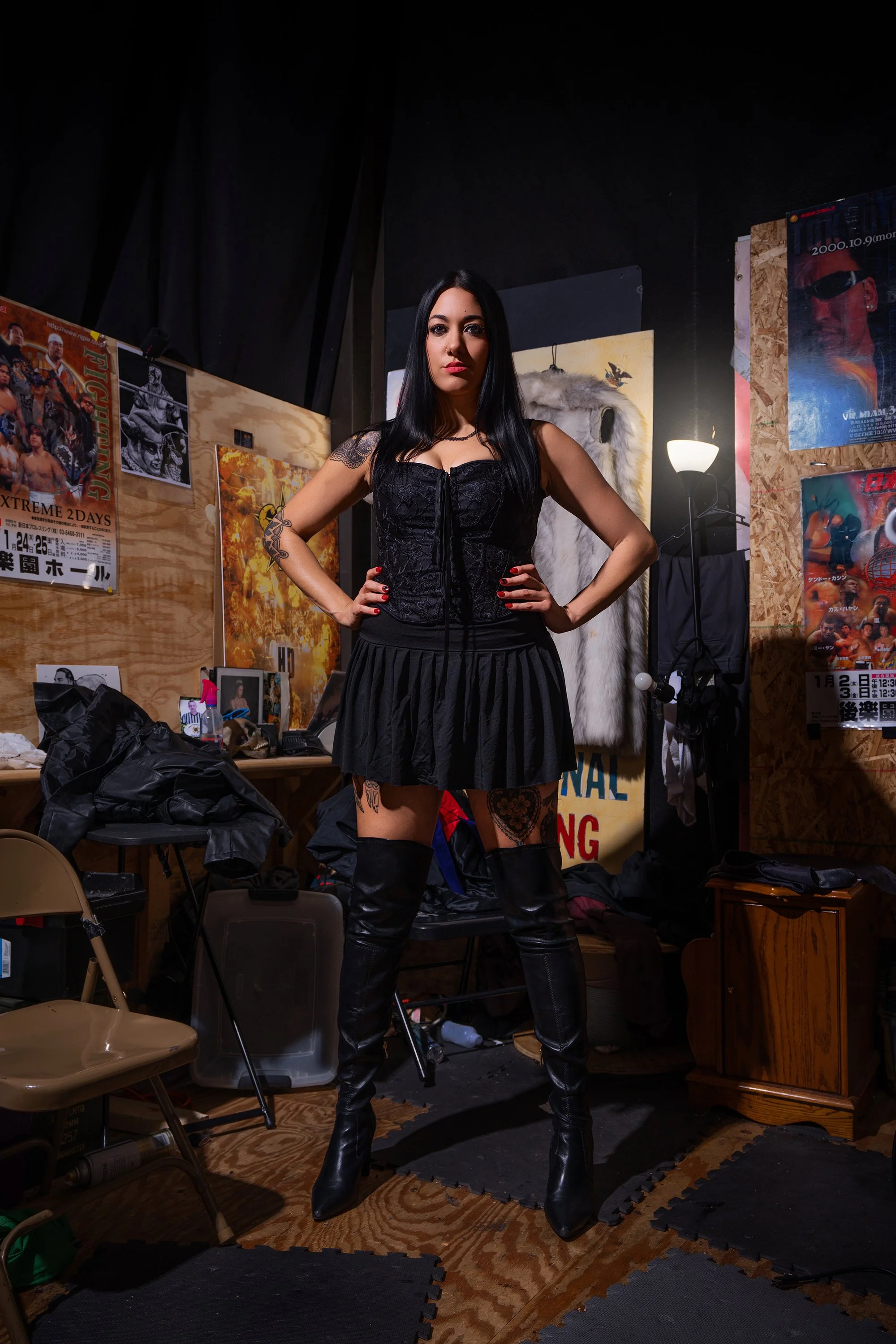
For many who grew up in the 1990s and early 2000s, wrestling was a key feature of the culture. And for some, it became a calling that merged the physical with the theatrical. Freya, who comes from a family of musicians, found her rhythm in the ring.
“I have always been an athlete,” she said. “And I come from a family full of musically inclined people…which I am absolutely not. But when I found wrestling, it perfectly combined my love for performing and physicality.”
This performance requires an intimate understanding of human psychology and the ability to guide a room’s collective heartbeat. As Freya puts it, “When you’re good at wrestling...you can make people forget work and stress, and make them believe in something that they know is a work. That’s what I love, being able to make people feel something.”
AUTHENTICITY IN THE AGE OF SOCIAL MEDIA
The industry relies on kayfabe - the shared, unspoken agreement to treat the narrative as reality. In an era of digital transparency, that boundary has shifted toward radical authenticity.
“More than ever, wrestlers have to be full extensions of themselves in character and online,” Freya noted. “In my opinion, it’s people believing and acting like themselves is what gets over. People have to buy what you’re selling.”
That conviction extends to the championship narratives that define a career. While the physical belt may change hands, the status of a champion is an internal reality. “I’m not holding the belt right now. But I’ve held it four times. I don’t need the championship to know who I am. The belt always finds its way back to me. For a reason. I’ve climbed that mountain before; I’ll do it again. [...] Four-time Women’s Champion. That history matters.”
FROM THE RING TO THE GALLERY
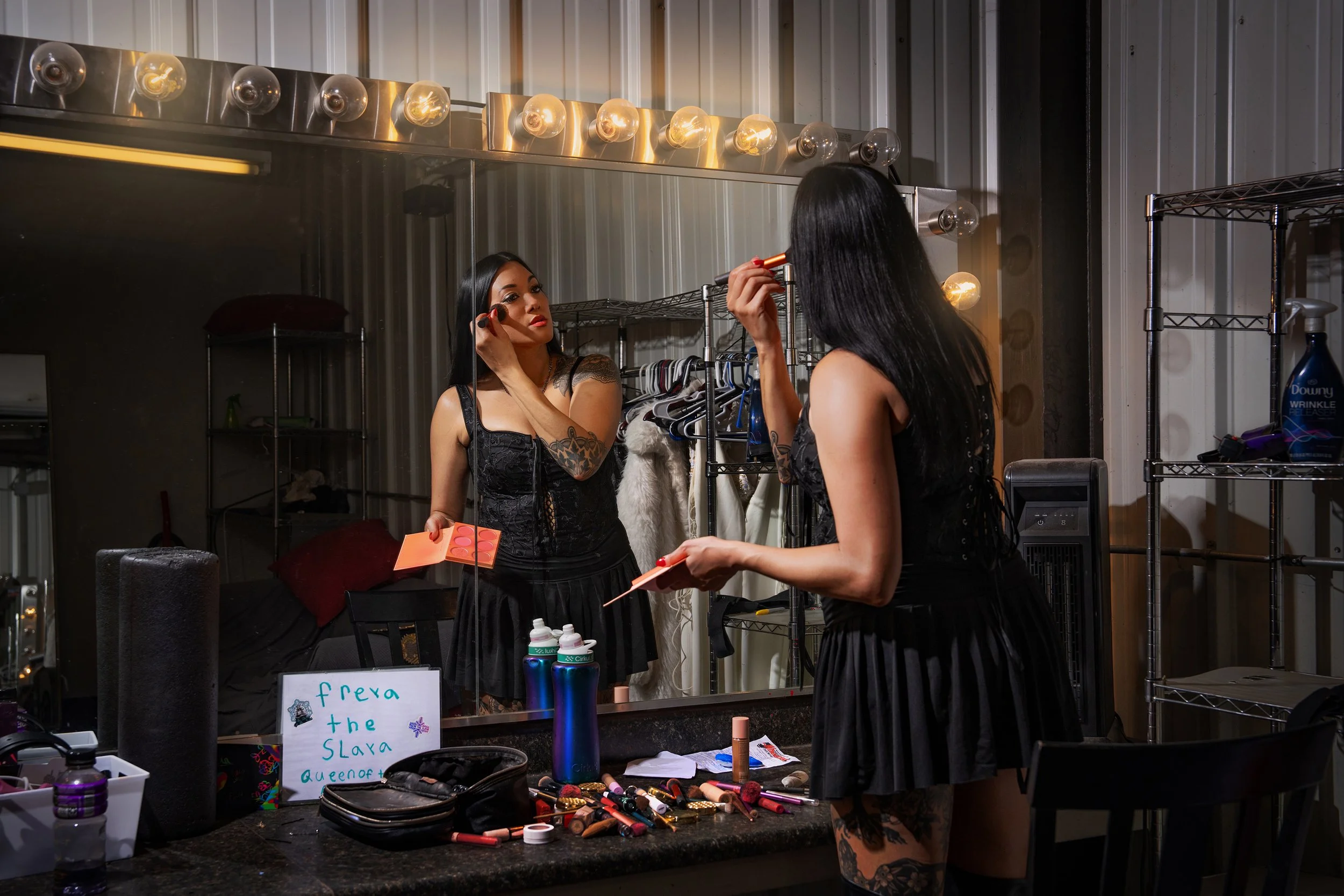
The Kentucky to the World program at the Speed Art Museum was presented by WWE legend Al Snow and cultural strategist Sam Ford, positioning wrestling where it belongs: inside the conversation of high art. For Freya, the setting validated her dual passions.
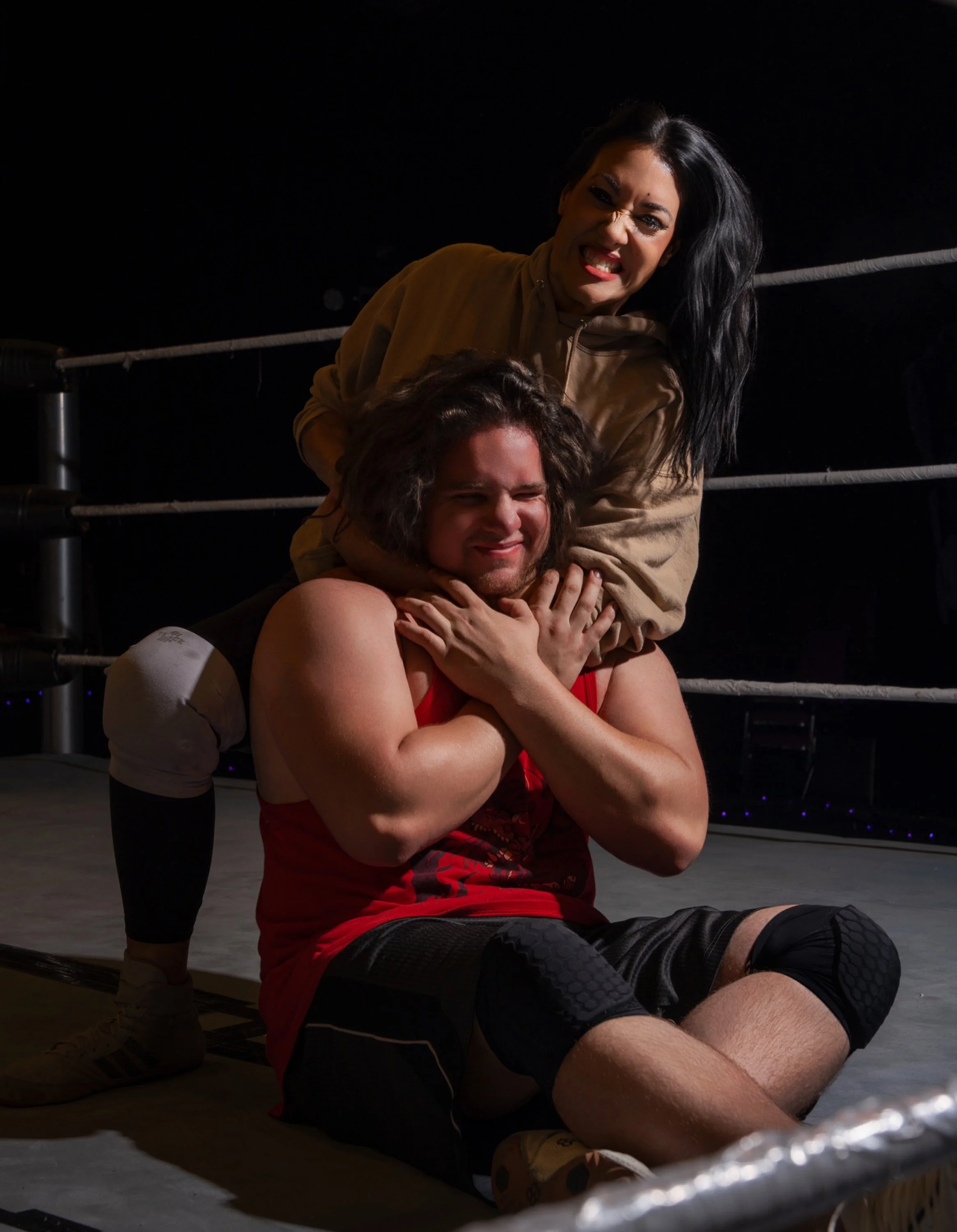
“Wrestling at the Speed Art Museum was a great experience. I absolutely think wrestling is an artform. And my first degree was in Art, so it really hit home for me,” she said. “Both wrestling and art can make you feel, escape, and question.”
This adaptability is a hallmark of the Kentucky wrestling scene. Whether in a museum or a shopping mall, the performer must find "gifts" in the environment to connect with the crowd. That night at the Speed, the gift was transformation: watching an audience realize that what they were seeing was collaborative, technical, and profoundly alive.
THE SHIFT THAT’S REDEFINING WRESTLING
As women continue to recalibrate the center of gravity in professional wrestling, Kentucky remains a home base for this evolution. “Women’s wrestling is seen so much differently than it used to be,” Freya reflected. “And it took so many strong women to fight for the space we hold in wrestling now.”
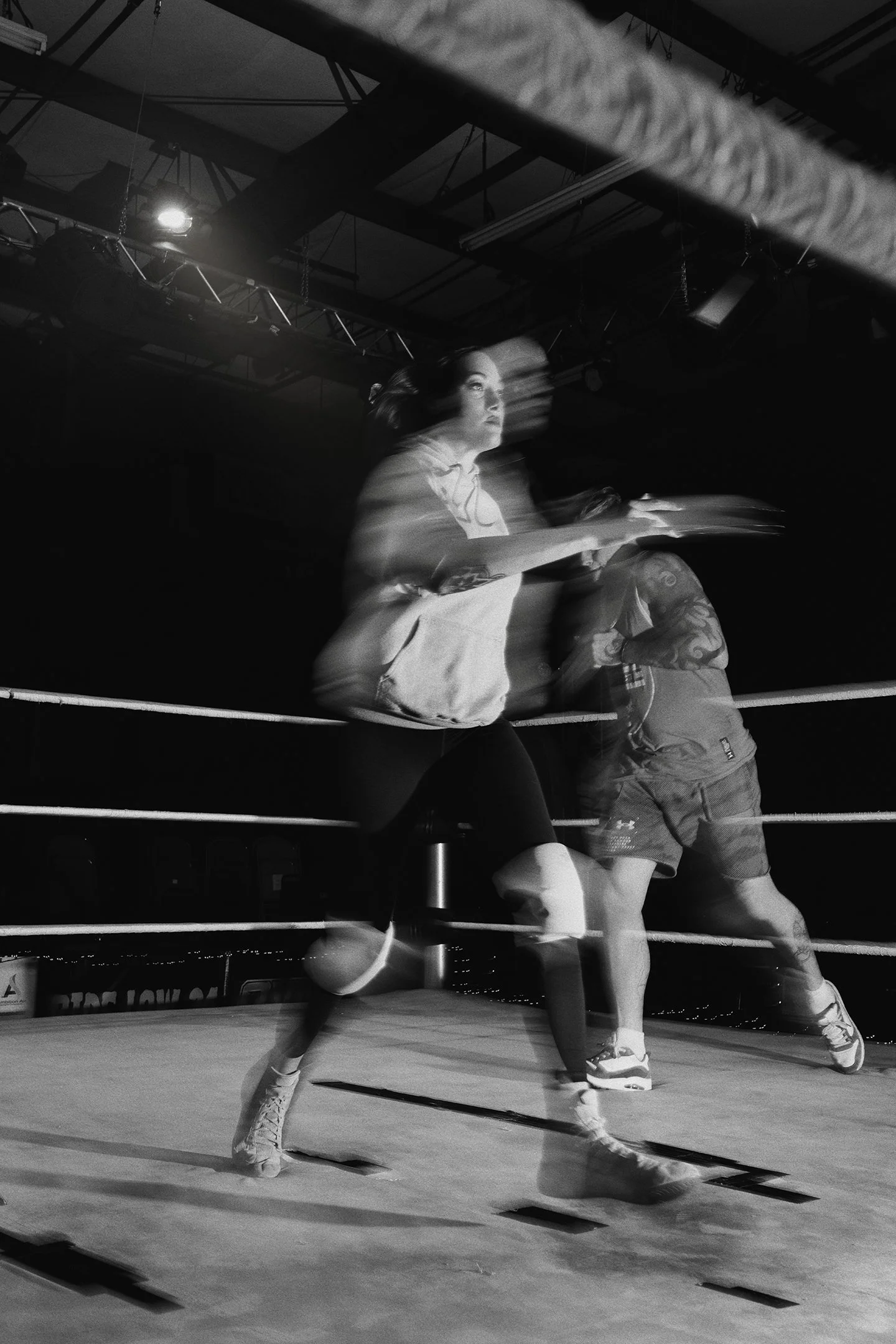
From the small rooms in Louisville to the global streaming platforms where OVW now resides, the mission remains the same: refining a local craft until it resonates everywhere. This is Kentucky’s greatest export: not just entertainment, but the relentless discipline required to move the world.
Photos and article by Thomas Wavid Johns
